
Object Record
Images
Metadata
Title |
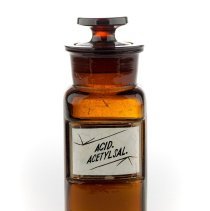
Acid. Acetylsal. |
Object Name |
Bottle, Medicine |
Credit line |
Silvia M. Ferretti, D.O Medical Museum |
Year Range from |
1800 |
Description |
Pharmaceutical vintage amber glass bottle Acetysalicylic Acid also know as Aspirin, is a medication used to treat pain, fever, and inflammation. Specific inflammatory conditions in which it is used include Kawasaki disease, pericarditis, and rheumatic fever. Aspirin given shortly after a heart attack decreases the risk of death. Aspirin is also used long-term to help prevent heart attacks, strokes, and blood clots, in people at high risk. Aspirin may also decrease the risk of certain types of cancer, particularly colorectal cancer.For pain or fever, effects typically begin within 30 minutes. Aspirin is a nonsteroidal anti-inflammatory drug (NSAID) and works similar to other NSAIDs but it is also an antiplatelet and suppresses the normal functioning of platelets. Common side effects include an upset stomach. More significant side effects include stomach ulcers, stomach bleeding, and worsening asthma. Bleeding risk is greater among those who are older, drink alcohol, take other NSAIDs, or are on blood thinners. Aspirin is not recommended in the last part of pregnancy. It is not generally recommended in children with infections because of the risk of Reye's syndrome. High doses may result in ringing in the ears. Aspirin, in the form of leaves from the willow tree, has been used for its health effects for at least 2,400 years. In 1853, chemist Charles Frédéric Gerhardt treated sodium salicylate with acetyl chloride to produce acetylsalicylic acid for the first time. In the second half of the nineteenth century, other chemists established the chemical structure and came up with more efficient methods to make it. In 1897, scientists at Bayer began studying acetylsalicylic acid as a less-irritating replacement for common salicylate medicines. By 1899, Bayer had named the drug Aspirin and was selling it around the world. The word Aspirin was Bayer's brand name; however, their rights to the trademark were lost or sold in many countries. Aspirin's popularity grew over the first half of the twentieth century leading to competition between many brands and formulations. |
Search Terms |
Apothecary Bottle Glass Pharmaceutical Pharmacy |
Subjects |
Bottles Medical equipment & supplies Pharmaceutical industry |
Collection |
Amber Glass Bottles |
Accession number |
Pharma.1 |